I have been
fortunate enough to have five of my fellow students give me feedback on my blog
reflections. I am able to use this
feedback to extend my learning and improve my future practices. Like me, my classmates also struggled to
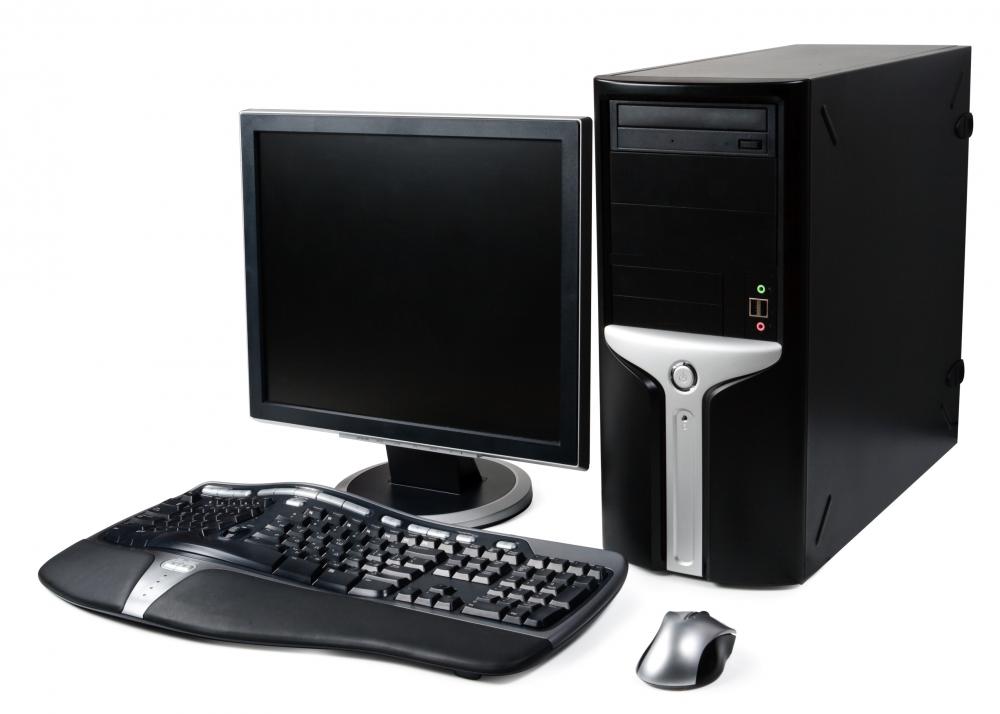
recognise technology as anything other than digital, electronic products such
as; the computer, iPad, camera and others like these. Yet through the aid of the ‘People, places,
things and events’ course and the feedback from my peers I can now understand that
there is so much more to it; “Technology is a creative and purposeful activity
aimed at meeting needs and opportunities through the development of products,
systems or environments” (Smorti, 1999, p.6).
One technology experience that I facilitated was baking scones. Through feedback from my peers I believe I
can extend the children’s technological learning further through providing the
children with a pictured recipe to aid them in completing their final
product. This allows the children to
develop their practical skills as well as their ability to problem-solve
(Ministry of Education, 1996). My peers
helped me to understand that technology can aid in developing children’s social
skills, literacy skills, and maths and science concepts (Ministry of Education,
2007). One of these that stood out to me
was the social skills aspect of technology.
I once thought that digital technology was more of a solitary
experience, however through practice and response from my fellow students I
realise that it can be quite the opposite.
I now can see that through the use of technology children can practice
important social skills such as; cooperation, sharing knowledge and skills, and
turn-taking (Ministry of Education, 2007).
Throughout
this course I have been convinced that technology, in all forms, is of great
importance to children’s learning and development. Since technology is constantly changing, it
is important that children be introduced and familiarised with new technology
on a regular basis as it will enable them to embrace the changes in this area,
rather than finding it overwhelming (Fleer & Jane, 2011). When used correctly, technology can be a
valuable teaching tool that can assist children’s learning development in many
areas; the sooner children are introduced to different technologies; the more
readily they will adjust to the rapidly changing features of technology and be
equipped to use these technologies for different purposes as they explore the
world (Ministry of Education, 1996). As
teachers, we must develop our skills in this area to ensure the children are
familiarised with technology through experiences within the early childhood
setting, because essentially we are preparing the children for jobs that do not
exist yet. “Well-prepared teachers, who
recognize the power and limitations of technology, are needed now more than
ever” (Tsantis, Bewick & Thornton, 2003, p. 10). When teachers doubt the effectiveness of these
technological experiences, and deliberately exclude them from within the early
childhood setting, children’s learning of the way of the future is hindered
(Tsantis, Bewick & Thornton, 2003).
Our children are growing up in an information society and as teachers we
need to educate them on the skills required to use these technological items in
order for them to survive (Smorti, 1999).
Through the aid of the ‘People, places, things and events’ course,
relevant literature and feedback from my peers, I have gained a better
understanding of the benefits of technology within the early childhood
setting. I will use this new information
to further my practice in the technology area and incorporate it within the
experiences that I facilitate on a more regular basis. I believe that I need to further develop my
confidence in using technology and will be taking the steps to achieve this
goal as of now.
Reference
List
Fleer, M.,
& Jane, B. (2011). Design and
technology for children. Frenchs Forest, Australia: Pearson
Australia.
Ministry of
Education. (1996). Te Whāriki: He whāriki
mātauranga mō ngā mokopuna o Aotearoa :
Early childhood curriculum.
Wellington, New Zealand: Learning Media.
Ministry of
Education. (2007). The New Zealand
Curriculum: For English-medium teaching and
learning in years 1-13. Wellington,
New Zealand: Learning Media.
Smorti, S.
(1999) Technology in Early Childhood. Early
Education, 19, 5-10.
Tsantis, L.,
Bewick, C., & Thornton, S. (2003). Examining some common myths about computers
in the
early years. Young Children on the
Web, November 2003, 1-9.