Each week within my centre we have a different ‘sound of the
week’ in which the children are able to bring in something for show and tell that
begins with that particular sound. The
week beginning Monday 11th March, our sound of the week was the letter ‘I’ and
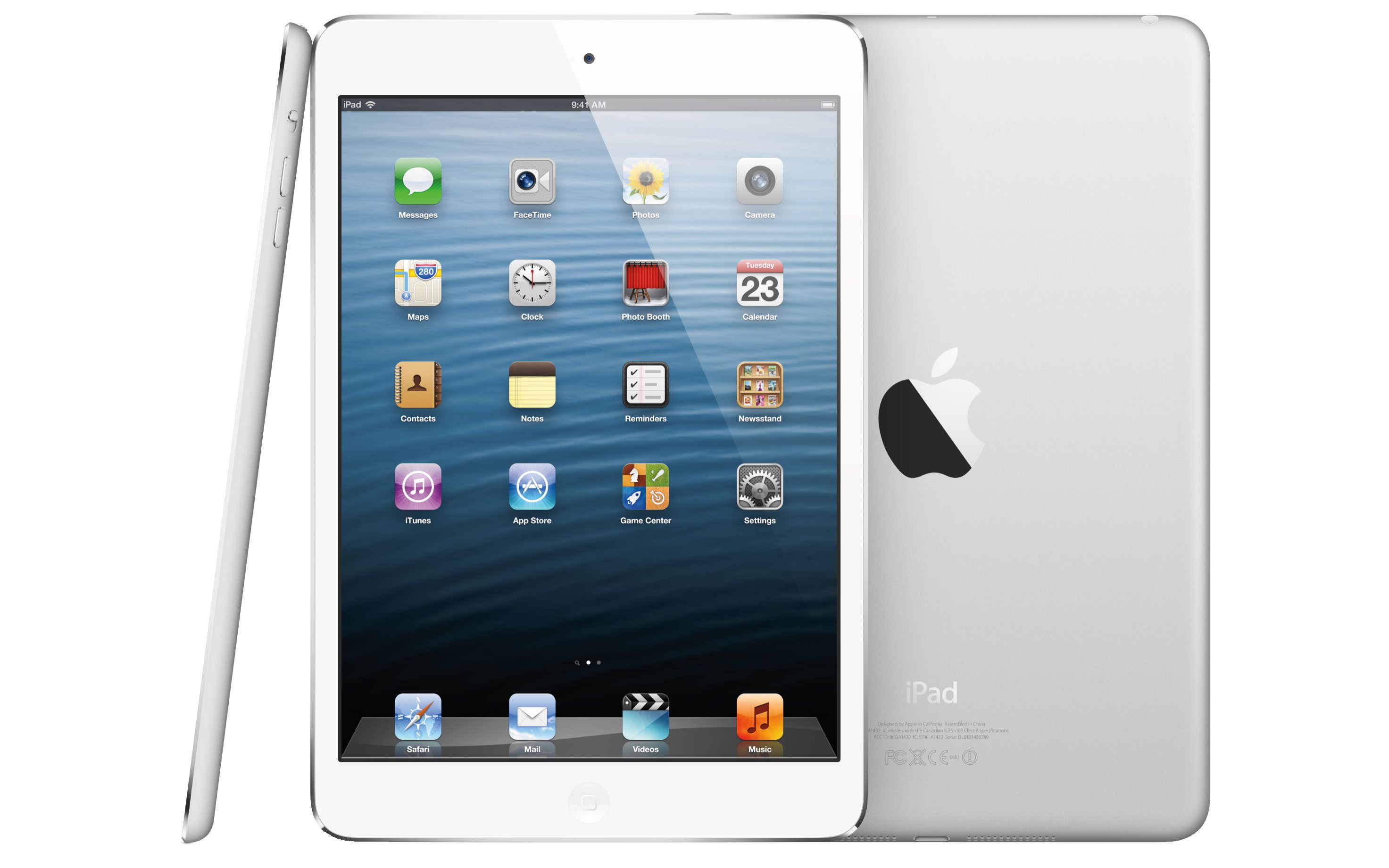
one particular child brought in an iPad to share with us! I am all for embracing technology within the
early childhood setting; however I could not understand why the child’s parents
would let him share this expensive piece of equipment with a classroom full of
four year old children, without their supervision.
At first I was hesitant to this experience as I was scared
that the iPad would be dropped or damaged, but as I watched the child handle
the iPad I could see that he was careful and cautious. Upon asking the child questions about his
news and seeing him demonstrate ways in which it could be used, I came to
realise that the child was rather technologically confident with this piece of
equipment. He navigated his way to his
favourite game, of which he was an expert at!
He showed us some photographs he had taken with it, of which were mainly
of himself pulling faces, and he took a photograph of me and put it in a silly
clown frame! Te Whāriki states that children need to progress their confidence
in acquiring new knowledge and skills (Ministry of Education, 1996) because
technology is constantly advancing. This
child showed experience and expertise in using the iPad that the other children
were able to see. I could see that this
boosted the child’s self-confidence levels as the other children were intrigued
by the technology experience the child had to offer, and can be linked to Te
Whāriki; “Capability in solving practical problems contributes to
self-confidence and well-being” (Ministry of Education, 1996, p. 94).
I noticed that most of the other children were already
familiarised with the iPad as some of them had proclaimed to have one at home,
or their cousin’s had one, or their neighbour, or even their Nana! The child let some of the children have a
turn using his iPad, and something that caught my attention was how quickly
they developed the skills required to use this piece of equipment. It is important that children be introduced
and familiarised with new technology on a regular basis as it will enable them
to embrace the changes in this area, rather than finding it daunting (Fleer &
Jane, 2011). When teachers doubt the effectiveness
of these technological experiences, and deliberately exclude them from within
the early childhood setting, children’s learning of the way of the future is
hindered (Tsantis, Bewick & Thornton, 2003). Our children are growing up in an information
society and as teachers we need to educate them on the skills required to use
these technological items in order for them to survive (Smorti, 1999). This practice is mandatory, especially now
considering some schools even require iPads and laptops on their school
stationary list.
We must develop our skills in this area to ensure the
children are familiarised with technology through experiences within the early
childhood setting, because we are preparing the children for jobs that do not
exist yet. “Well-prepared teachers, who
recognize the power and limitations of technology, are needed now more than
ever” (Tsantis, Bewick & Thornton, 2003, p. ).
Reference list
Fleer, M., & Jane, B. (2011). Design and technology for
children. Frenchs Forest,
Australia: Pearson
Australia.
Ministry of Education. (1996). Te Whāriki: He whāriki
mātauranga mō ngā mokopuna o
Aotearoa
: Early childhood curriculum. Wellington, New Zealand: Learning
Media.
Smorti, S. (1999) Technology in Early Childhood. Early Education,
19, 5-10.
Tsantis, L., Bewick, C., & Thornton, S. (2003).
Examining some common myths about
computers
in the early years. Young Children on the Web, November 2003, 1-9.

Tino pai for embracing your fear and letting the child share his knowledge about the Ipad with the children. I think that sometimes it slips our mind just how capable and confident children are. Early childhood education builds on the connections to children’s wider life experiences (Ministry of Education, 1996) and technology as you saw, most definitely impacts their lives today. Like you, I was also intrigued how technologically confident children are with the Ipad and how quick they develop skills to use this device. I guess it’s important for us teachers to realise that technology is part of our children’s lives and we as teachers need to embrace it and provide opportunities for children to develop their skills so they are knowledgeable citizens and prepared for technological jobs in the future (Ministry of Education, 1993). I agree with you that we teachers need to develop our skills in technology so we can pass this knowledge onto the children. I also think it’s necessary for us to remember that technology is never static (Ministry of Education, 1993). We therefore need to ensure we up-skill and are aware of the latest technology. We can then transfer this technological knowledge to the children thus familiarizing them with it and allowing them to embrace technology instead of finding it overwhelming (Fleer & Jane, 2011)
ReplyDeleteIt is quite interesting to see how people take a different perspective on the issue of digital devices. Some people are very keen to follow the latest technological devices while others are content what we already have. I understand why Danielle felt confused about bringing in expensive iPad to the centre. I exactly felt the same way in approaching digital devices such as iPad because I do not know how to use it, I do not own one of them, or I have no desire to have own one. However, as I become more aware of the importance of technological education, like Danielle mentioned, I believe now teachers should develop knowledge and skills in technology. Teachers are supposed to support children “to learn and develop to their potential” (Ministry of Education, 1996, p. 40). These days it is no surprise to see young children good at using iPad, iPod or computer. I have no idea what kind of new technological devices they would use when they are grown up, but teachers should be able to foster “the idea of children’s future thinking” (Fleer & Jane, 2011, p. 129).
ReplyDeleteReference
Fleer, M., & Jane, B. (2011). Design and technology for children. Frenchs Forest, Australia: Pearson Australia.
Ministry of Education. (1996). Te Whāriki, he whāriki mātauranga mo nga mokopuna o Aotearoa: Early childhood curriculum. Wellington, New Zealand: Learning Media.
Wow Danielle, I thoroughly enjoyed reading your reflection on the Ipad as it was very informative and a great experience for you and the children. I agree with you, you can feel anxious sometimes seeing the children holding a very valuable and expensive technological tool such as the Ipad, but I’m glad to see through your experience that your perspectives on the Ipad had changed. I believe it is very important to recognize children as competent and capable individuals, children thrive off the opportunities that teachers can provide them. Giving the children opportunities and experiences that can initiate exploration and discovery too their own world, will be inspirational to a young learner. Using the Ipad children and teachers are able to grow through exploration, challenges, problem-solving, curiosity, and meaningful learning experiences to become a passionate learner towards technology as it becomes a vital part of their lives (Weisbrot, 2011).
ReplyDeleteI think you recognized an important barrier that teachers need to improve in their practice and that is to have a supportive and an effective technological environment, you stated “When teachers doubt the effectiveness of these technological experiences, and deliberately exclude them from within the early childhood setting, children’s learning of the way of the future is hindered (Tsantis, Bewick & Thornton, 2003)”. I believe teachers can learn greatly from children, and collaborating together can form a successful technological environment for all, “Technology growing experience in solving problems together develops children’s understanding of how technologies can help them and others (Ministry of Education, 1996, p.96)”. I found this very useful link on youtube which I think is relevant and useful video clip that supports your discussion on the importance of the Ipad in the early childhood environment http://www.youtube.com/watch?v=BFU0SjKqeeg
Reference List:
Ministry of Education. (1996). Te Whāriki: He whāriki mātauranga mō ngā mokopuna o Aotearoa : Early childhood curriculum. Wellington, New Zealand: Learning Media.
Weisbrot,M. (2011). Shaping the future: Teaching kids to use digital cameras. Retrieved from: http://www.ultimatephotoguide.com/articles/tips-techniques/shaping-the-future-teaching-kids-to-use-digital-cameras/
Games,J.( 2012). How to combine iPads with real world education experiences. Retrieved from: http://www.youtube.com/watch?v=BFU0SjKqeeg
What a wonderful experience Danielle! I can see that you have identified in this experience that children are very competent people, and by giving the child the opportunity to use the iPad you enabled the child to feel a sense of responsibility, empowered, and develop an understanding that you believe they can do things themselves (Ministry of Education, 1996). Children learn by doing, therefore I believe it is important that we provide opportunities for them to extend their understanding about technology, and what they themselves are capable of (Ministry of Education, 1996). I also agree that children need to be introduced to technology at a young age, as due to rapid developments children today are being raised surrounded by technology (Can-Yasar, Inal, Uyanik & Kandir, 2012). According to the Ministry of Education, it is important to incorporate technology education in the curriculum as this equips children for jobs in their future (Ministry of Education, 2007). Continuing to provide children with experiences with iPads or computers will foster their ability to develop their skills further, which will benefit them throughout their lives.
ReplyDeleteDanielle, i was really surprised that a parent would let their child bring an i pad into the centre. My first impression like yours, was oh no what if it gets damaged or broken.Good on you for having the confidence to let the child continue to show and explain how the i pad works to the other children.
ReplyDeleteThe child has great skills in using the i pad and the other children also know how they work."Children develop,the ability to represent their discoveries, using creative and expressive media and the technology associated with them" (Ministry of Education, 1996, p.88). This is a good experience for the children to develop more knowledge on how they use technology. I agree with you us as teachers need to embrace technology and develop our skills and grow with the technology."There is an increasing awareness of technological world that we live in: a world that people have created and changed through technology" (Smorti, 1999, p.5).
Reference List
Ministry of Education. (1996). Te Wharaki: He matauranha mo nga
mokopuna o Aotearoa: Early childhood curriculum.
Wellington, New Zealand: Learning Media.
Smorti, S. (1999). Technology in early childhood. Early Education,
1,5-10.